The Drama Is the Content: Why Celebrity Feuds Are the New Must-See TV

Remember when celebrity drama lived in the pages of Us Weekly and you had to wait a full week to get the update? Those days feel genuinely ancient. Now, a feud can ignite, escalate, generate think pieces, spawn parody accounts, and reach cultural saturation — all before your lunch break is over.
We are living through a golden age of the celebrity beef. And whether you're deeply invested or just passively absorbing it through your timeline, you're part of the audience.
From Tabloid Gossip to Real-Time Theater
Celebrity conflict isn't new. Stars have been feuding since Hollywood had stars. But what's changed is the infrastructure around that conflict — and how directly audiences can plug into it.
For most of entertainment history, feuds were mediated. A publicist issued a statement. An interview got published. A diss track dropped and you heard it on the radio. There were gatekeepers and cool-down periods built into the process. The drama was curated before it reached you.
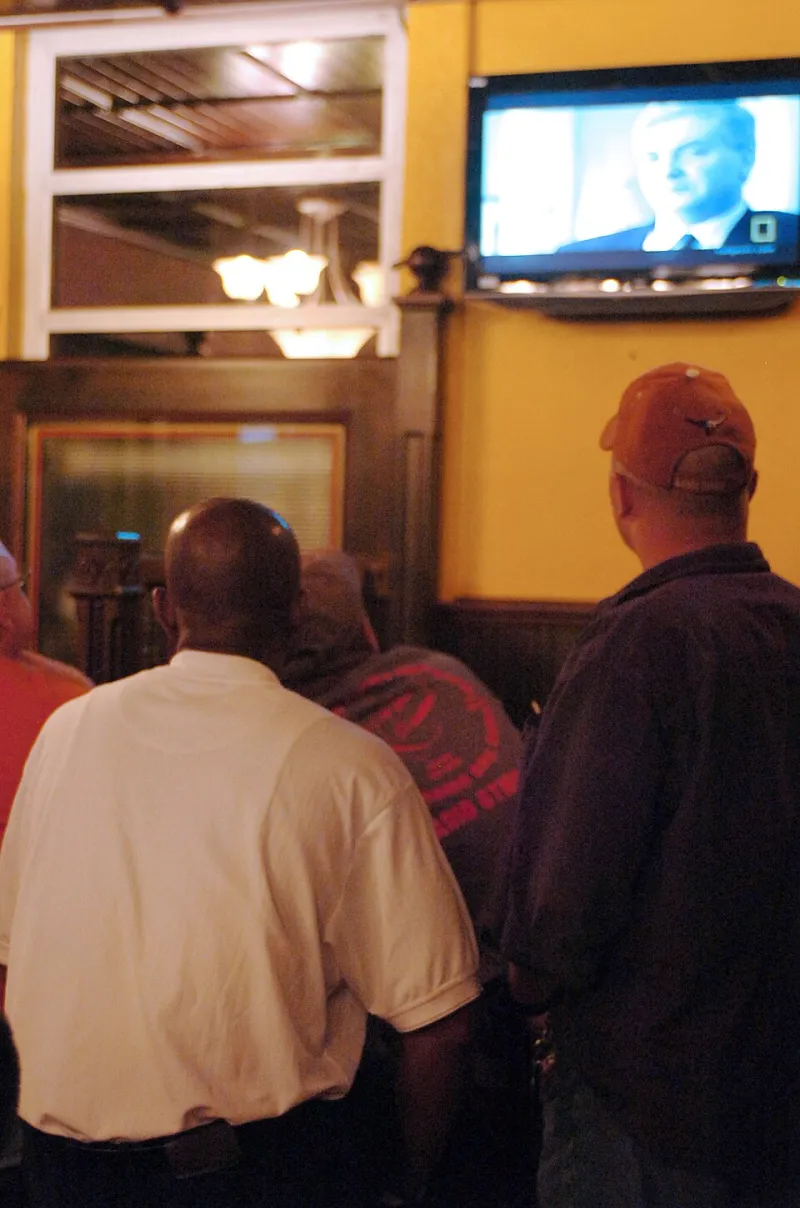
Social media dismantled all of that. Now, a celebrity can post a thinly veiled Instagram story at 2 a.m. and wake up to a cultural moment. A single subtweet can set off a chain reaction that involves millions of people taking sides in real time. The drama is live, unfiltered, and immediate — and that rawness is a huge part of what makes it so compulsively watchable.
Cultural critic Rawiya Kameir described this shift as the "unscripted turn" in celebrity culture — the moment audiences stopped accepting the polished, PR-managed version of fame and started demanding something that felt more real. Feuds, she argues, deliver that realness in a way that red carpet appearances and magazine profiles simply can't.
The Feuds That Defined the Era
It's worth actually looking at the specific conflicts that have dominated the cultural conversation in recent years, because they reveal a lot about what audiences are responding to.
The Nicki Minaj and Megan Thee Stallion situation in 2024 was a masterclass in how a feud can unfold across multiple platforms simultaneously. Diss tracks, Instagram stories, fan mobilization, counter-narratives, subtweets — it had everything. More importantly, it happened fast and publicly, leaving almost no room for either party to control the story. Fans weren't just spectators; they were active participants, dissecting lyrics, archiving posts, building timelines.
The Selena Gomez and Hailey Bieber situation — which simmered for years and periodically exploded back into headlines — became something almost sociological. It stopped being about two specific people and became a referendum on loyalty, body image, friendship, and how women are pitted against each other by the internet. The actual "feud" may have been largely fan-constructed, but the conversation it generated was absolutely real.
Drake and Kendrick Lamar's rap battle in 2024 was arguably the most significant celebrity conflict in years in terms of sheer cultural impact. It played out across Spotify streams, YouTube views, social media trending topics, and eventually became a genuine debate about artistic integrity and accountability. People who hadn't closely followed either artist's career in years were suddenly deeply invested. That's the power of a well-timed beef.
Why We're All Watching
The psychological pull of celebrity conflict is worth examining honestly, because the appetite for it is enormous and it's not going away.
Part of it is the parasocial dimension. If you've spent years following someone on social media — watching their Stories, seeing their posts, feeling like you know their personality — then seeing them in conflict with another person you've also followed creates a kind of drama that feels personal. You have context. You have opinions. You have a stake.
There's also the element of status and social currency. Being up to date on a major celebrity feud gives you something to talk about — a shared cultural reference point that works in group chats, at work, at parties. Feuds function as a kind of social glue, a common narrative that connects people who might not have much else in common.
And then there's the simplest explanation: conflict is inherently compelling. Humans are wired to pay attention to social conflict. It triggers the same threat-detection instincts that kept our ancestors alive. We can't help but watch.
Platforms Are Profiting From Every Subtweet
Here's the part that doesn't get talked about enough: the platforms hosting these feuds are making enormous amounts of money from the engagement they generate.
X (formerly Twitter) has long been the primary battleground for celebrity beefs, and conflict is extraordinarily good for engagement metrics. Every subtweet generates replies. Every reply generates more replies. Every pile-on keeps users on the platform longer, clicking through more profiles, seeing more ads. Instagram Stories that tease drama drive views. TikTok explainer videos about feuds rack up millions of plays.
The platforms aren't neutral infrastructure here. They're beneficiaries. Their algorithms actively reward content that generates strong emotional reactions — and conflict generates stronger emotional reactions than almost anything else. The architecture of these platforms is designed, whether intentionally or not, to amplify drama.
Media scholar Siva Vaidhyanathan has written extensively about how social media platforms profit from outrage and conflict while bearing no responsibility for the consequences. Celebrity feuds are a relatively low-stakes version of this dynamic, but the mechanics are identical.
Is Any of It Real?
One question that hovers over all of this: how much of the beef is genuine, and how much is content?
The answer is probably: both, depending on the situation. Some feuds are clearly organic — real people with real grievances playing out real conflict in public. Others have the whiff of mutual promotion, two parties who understand that conflict generates attention and are willing to lean into it strategically.
The interesting thing is that audiences have gotten pretty good at sniffing out the difference — and they tend to disengage when a feud feels too manufactured. The ones that really take hold are the ones that feel like they're touching something real, something that was actually going to happen with or without an audience watching.
Maybe that's the most honest thing you can say about celebrity feuds in 2025: the best ones aren't really performed for us. We just happen to have a front-row seat.