Nostalgia Is a Business Plan: Inside Hollywood's Obsession With Bringing Back Everything You Already Watched
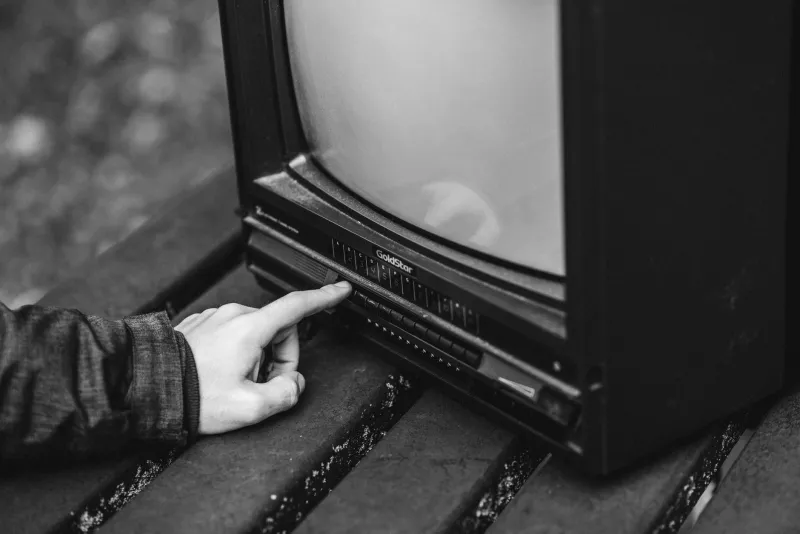
Somewhere in a studio conference room, someone is pitching a revival of a show that ended three years ago. Someone else is greenlighting it. And somewhere on a couch in suburban Ohio, a viewer is going to watch it — not because it looks great, but because it feels safe.
Welcome to the reboot era, where Hollywood's most reliable creative strategy is to look backward.
The Numbers Don't Lie (Even When the Creative Vision Does)
Let's be real: studios aren't reviving Frasier and Full House because a roomful of executives had a sudden artistic epiphany. They're doing it because pre-existing IP is a risk management strategy dressed up as entertainment.
When Paramount+ brought back Frasier in 2023, it wasn't chasing Emmys — it was chasing subscribers. And by most accounts, it worked well enough to justify the gamble. The original series had 11 seasons, a devoted fanbase, and decades of cultural goodwill baked in. Why build something new when you can renovate something beloved?
The math is brutal in its simplicity. A new show requires marketing spend to build awareness from zero. A reboot of Sex and the City — even a divisive one like And Just Like That... — arrives pre-loaded with name recognition, ready-made fan discourse, and guaranteed press coverage. HBO Max didn't have to explain who Carrie Bradshaw was. They just had to remind you she existed.
Nostalgia as a Streaming Weapon
The streaming wars changed everything about how nostalgia gets deployed. When Netflix, Peacock, Paramount+, and Max are all fighting for the same subscriber dollar, catalog recognition becomes a competitive advantage.
Peacock's entire early identity leaned heavily on NBC legacy content — Saved by the Bell got a reboot, Punky Brewster came back, and The Office (not a reboot, but a catalog anchor) became a cornerstone of the platform's pitch. Disney+ practically built its launch around the promise that you'd get every Star Wars and Marvel story you could ever want. The message was consistent: don't take a chance on something unfamiliar. Come home.
The irony is that streaming was supposed to be the frontier of bold, original storytelling. And it still produces that — Severance, The Bear, Beef all proved there's appetite for fresh ideas. But original content is expensive and unpredictable. A reboot is neither.
The Audience Side of the Equation
Here's where it gets complicated: we keep watching. Critics can roll their eyes at the iCarly revival or the Gossip Girl reboot all they want, but audiences showed up — at least initially.
Part of that is genuine excitement. People who grew up with certain shows feel real joy when those worlds return. There's something legitimately warm about revisiting characters you spent years with. That's not manufactured sentiment — that's human.
But there's another layer to unpack. In an era of content overload, where the average American has access to thousands of shows across a dozen platforms, familiarity reduces the cognitive burden of choosing. Decision fatigue is real. Sometimes you don't want to invest emotional energy in figuring out if a new show is worth your time. You just want to watch something you already know you like.
Studios understand this psychology deeply. They're not just selling entertainment — they're selling certainty.
When the Revival Doesn't Stick
Not every resurrection works, and the failures are instructive. Dexter: New Blood got strong reviews and solid viewership, but it also reminded audiences why some endings should stay final. The Gossip Girl reboot on HBO Max was critically dismissed and quietly canceled. How I Met Your Father on Hulu limped through two seasons before getting the axe.
The pattern in the failures tends to be the same: the original's magic came from a specific cultural moment, a specific cast chemistry, or a specific creative voice that can't be replicated. You can reconstruct the set. You can't reconstruct lightning.
There's also a generational mismatch problem. Reboots often try to court the original fanbase and younger viewers simultaneously, and end up fully satisfying neither. The Saved by the Bell revival leaned into meta-humor about the original's problematic elements, which confused fans who just wanted nostalgia and alienated new viewers who had no attachment to the source material.
Is Anyone Actually Pushing Back?
Creatives are increasingly vocal about the reboot obsession crowding out original pitches. Writers and showrunners — especially those without major credits — find it harder to get genuinely new projects greenlit when studios are allocating development budgets to legacy IP.
The WGA strike in 2023 brought many of these frustrations into public view. One of the underlying tensions wasn't just about streaming residuals — it was about who gets to tell stories, and which stories get told. When the industry defaults to what's already proven, it narrows the pipeline for new voices.
Audiences are also showing signs of fatigue. The discourse around And Just Like That... was less "we're so glad this is back" and more "why does this exist." The Velma animated spinoff became a cultural punching bag. There's a growing sense that not every beloved property needs a second life — and that some revivals actively tarnish the original.
The Question Nobody Wants to Answer
So what happens when the well runs dry? There are only so many beloved properties from the '80s, '90s, and early 2000s to revive. Studios are already reaching into more obscure territory — rebooting things that weren't even that popular the first time around — which suggests the strategy has a ceiling.
The honest answer is that eventually, the nostalgia economy has to evolve or collapse. Younger generations will want their own cultural touchstones, not their parents' reruns. Gen Z didn't grow up with Cheers or Magnum P.I. — the reboots targeting those properties aren't speaking to them.
For now, though, the reboot industrial complex keeps humming. Another beloved title gets announced. The internet cycles through its predictable arc of excitement, skepticism, and eventual resignation. And somewhere on a streaming platform, a show you watched in college is about to get a second chance it may or may not deserve.
Whether that's comforting or exhausting probably depends on which couch you're sitting on.