The Prediction Graveyard: Bold Entertainment Takes That Did Not Age Well At All

There is a long and proud tradition of very smart, very credentialed people being spectacularly wrong about entertainment. Analysts, critics, executives, and the occasional celebrity have all, at one point or another, looked directly at the future and described something completely different.
In the spirit of accountability — and, honestly, pure entertainment — we've compiled the most gloriously incorrect predictions of the last decade. No shade to the people who made them. Culture is genuinely hard to predict. But also: come on.
"Streaming Will Never Replace Traditional TV"
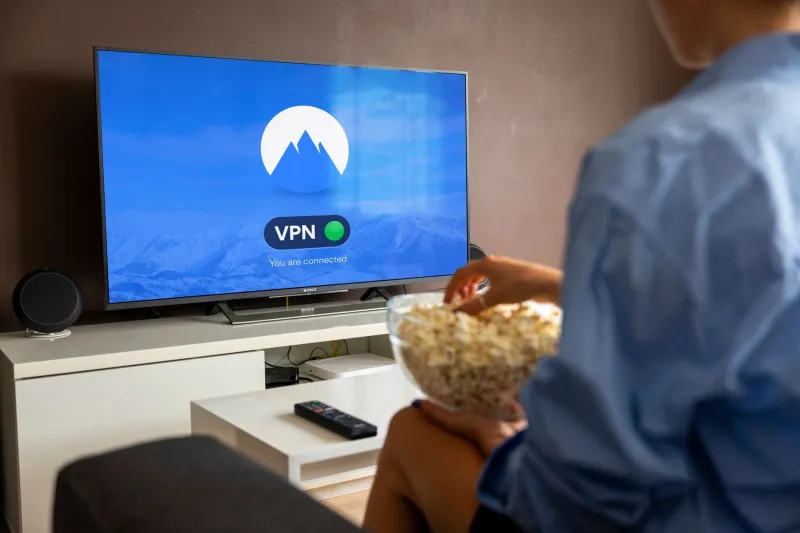
This one deserves the top spot purely for its longevity as a bad take. As late as 2015, media analysts were confidently explaining that streaming was a supplement to cable, not a replacement. Netflix was cute, sure. But people would always want live TV, the argument went. Sports! News! The communal experience of watching things in real time!
Fast forward to 2024, where cable subscriptions have fallen off a cliff, cord-cutting is the default for younger Americans, and the broadcast networks are in a slow-motion identity crisis. Even live sports — the last great argument for traditional TV — are increasingly migrating to streaming deals. Amazon has Thursday Night Football. Apple TV+ has Major League Soccer. The wall held for a while. Then it didn't.
The people who made this prediction weren't stupid. They were anchored to existing behavior and underestimating how quickly infrastructure and habit can shift when a better option arrives. Lesson: when something is genuinely more convenient and cheaper, people will eventually choose it. Every time.
"TikTok Will Be Banned in the US by 2022"
Oh, this one. The calls for a TikTok ban started getting loud around 2020, and for a while, it genuinely seemed possible. The Trump administration made moves toward forcing a sale. Lawmakers held hearings. Pundits declared the app's American run essentially over.
TikTok hit 170 million US users. It became the defining cultural platform of the early 2020s. It shaped music charts, launched careers, created trends that crossed over into every other medium. The ban debate has continued — and as of 2024 is still very much alive — but the confident predictions that the app would simply disappear by a specific date look pretty rough in hindsight.
The lesson here is that predicting regulatory outcomes is almost as hard as predicting culture. Politics moves slowly. Courts intervene. And 170 million users is a lot of constituents.
"Marvel Fatigue Is Imminent — The Superhero Bubble Is About to Pop"
This prediction has been made approximately once every 18 months since 2013. After Iron Man 3, critics wondered if the formula was getting tired. After Age of Ultron, think pieces declared the genre exhausted. After Avengers: Endgame, everyone agreed the only direction was down.
And then Spider-Man: No Way Home made $1.9 billion globally. Doctor Strange in the Multiverse of Madness crossed $900 million. The genre has genuinely cooled somewhat in the post-Endgame era — the MCU's Phase 4 and 5 have been more mixed — but the definitive collapse that critics kept announcing simply didn't arrive on schedule.
The nuanced version of this take is probably correct: superhero films aren't immune to quality decay, and audience patience isn't infinite. But the bold, calendar-specific predictions of imminent genre death? Those have been wrong so many times they've become their own genre.
"Podcasting Is a Bubble That's About to Burst"
In 2019, after a wave of high-profile podcast acquisitions and Spotify's aggressive push into the space, some media observers predicted an imminent crash. Too much money chasing too few listeners. The market would correct. Most of these shows would disappear.
Instead, podcasting became one of the most durable media formats of the decade. True crime podcasts created entire cultural moments. Comedy podcasts launched touring careers. Political shows shaped election cycles. The Joe Rogan deal alone — $200 million to Spotify — signaled that the money wasn't leaving anytime soon. The landscape consolidated and some shows did disappear, but the format itself? Very much alive.
"Nobody Is Going to Pay for Multiple Streaming Services"
The logic seemed airtight: consumers rebelled against cable because it was expensive and bundled things they didn't want. Why would they voluntarily recreate that model by subscribing to Netflix, Hulu, HBO Max, Disney+, Peacock, Paramount+, and Apple TV+?
Reader, they did. For a while, the average American household subscribed to four or more streaming services simultaneously. The cable bundle was essentially reassembled, piece by piece, through individual subscriptions. Streaming services noticed this and started... bundling. Disney+ and Hulu are now sold together. Apple and other services offer multi-platform deals. The wheel turned completely and we ended up roughly where we started, just with worse password-sharing policies.
"Vinyl Is a Novelty — It Won't Last"
Every few years throughout the 2010s, someone would note that vinyl sales were ticking up and add a dismissive qualifier: it's a niche thing, a hipster affectation, a temporary nostalgia spike. By 2022, vinyl outsold CDs for the first time since 1987. Taylor Swift, Olivia Rodrigo, and Harry Styles were moving record-breaking numbers of physical albums on wax. Record stores that everyone wrote off are thriving.
The format that was supposed to be a quaint throwback became a genuine commercial force. Nobody fully predicted that.
So Why Do Experts Keep Getting This Wrong?
The honest answer is that cultural prediction is genuinely hard, and most frameworks for analyzing it are borrowed from economics — where behavior is assumed to be more rational than it actually is.
People don't just choose the optimal option. They choose the familiar one, the social one, the one that feels right for reasons they can't fully articulate. Nostalgia, community, identity — these forces don't show up neatly in market research.
There's also a bias toward predicting decline because it sounds sophisticated. Saying "this will last" is boring. Saying "this bubble is about to pop" gets clicks. Contrarianism performs well, which means there's always an incentive to predict the fall of whatever's currently on top.
The entertainment industry will keep defying expectations. Critics will keep making confident predictions. And we'll keep adding to this list.
Check back in five years. We'll have plenty more material.