Logging Off for Good: How Gen Z Ditched the Influencer Era and Found Something Better

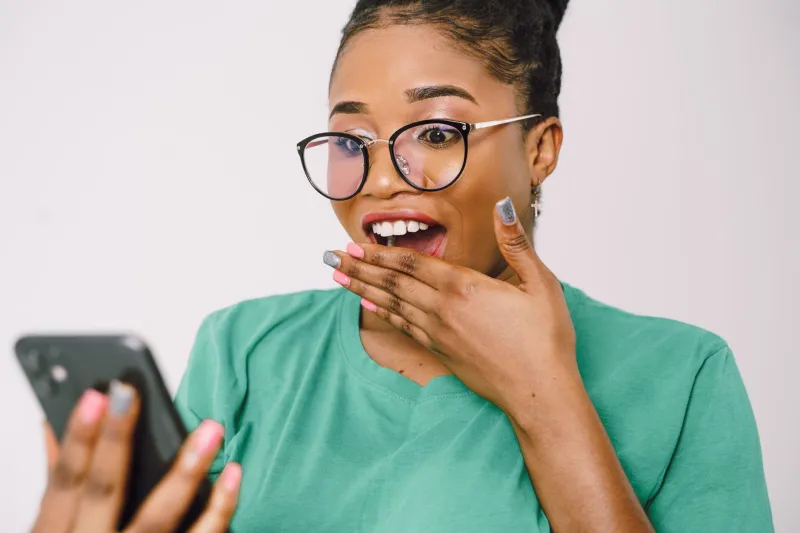
Photo by Photo by Vitaly Gariev on Unsplash on Unsplash
There was a moment — hard to pin down exactly, somewhere between the fifteenth "use code [NAME] for 20% off" and the third sponsored beach vacation post in a row — when a generation collectively exhaled and thought: I'm done with this.
Gen Z, the cohort that essentially grew up inside social media, is now leading the charge away from it. Not off the internet entirely — that's not really the story here. The story is more interesting than that. They're migrating. Quietly, deliberately, and in a way that's reshaping what online entertainment and community even look like in 2024.
The Influencer Model Starts to Show Cracks
At its peak, the influencer economy felt like an unstoppable machine. Brands poured billions into partnerships. Platforms rewarded follower counts. A whole generation of content creators built careers — real ones, with teams and managers and merchandise lines — out of being aspirational and relatable at the same time.
But that tension between aspirational and relatable turned out to be unsustainable. Audiences are sharp. Especially young ones. And somewhere along the way, the relatability started to feel engineered. The "messy bun and no makeup" aesthetic was still a photoshoot. The "honest" review was still a paid placement. The parasocial warmth that made following someone feel meaningful began to read as a transaction.
A 2023 Morning Consult study found that trust in social media influencers among Gen Z had dropped noticeably, with younger users increasingly skeptical of sponsored content even when it's disclosed. That skepticism isn't cynicism for its own sake — it's a recalibration. They're not anti-creator. They're anti-performance.
Where They're Actually Going
The migration isn't toward one single destination, which is part of what makes it fascinating. Gen Z is splintering into niche communities across platforms that prioritize conversation over broadcast.
Discord servers built around hyper-specific interests — a particular indie game, a regional music scene, a small literary genre — have seen explosive growth. Reddit's more obscure subreddits are thriving. Substack newsletters written by people with a few thousand loyal readers are outperforming viral content in terms of actual engagement and reader retention.
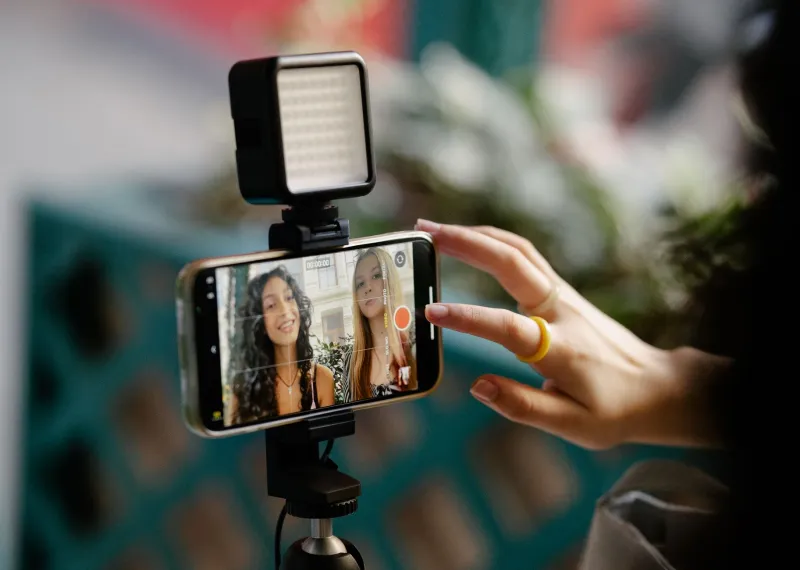
Then there's the micro-creator economy. These are people with audiences in the hundreds or low thousands who talk about extremely specific things with genuine expertise or passion. A woman who reviews only discontinued lip products from the early 2000s. A guy who does deep dives into the history of minor league baseball stadiums. A college student posting unedited book reactions with zero production value and a weirdly devoted following.
The common thread? None of them are selling a lifestyle. They're just into something, and that sincerity is the whole point.
Algorithm-Resistant Spaces Are Having a Moment
There's also a deliberate turn toward spaces that feel harder to game. Group chats. Private Instagram accounts. Bereal, for a while. Letterboxd. Goodreads, weirdly enough, has become a genuine social hub for younger readers who want recommendations from actual people rather than BookTok's trending table.
These spaces share something in common: the algorithm isn't really running the show. Discovery happens through word of mouth, through trust networks, through someone saying "you have to read what this person posted" rather than a platform surfacing it because it's getting engagement.
For entertainment consumption specifically, this is a huge deal. It means the next wave of influential voices probably won't be discovered through a viral moment or a brand deal. They'll grow slowly, organically, in spaces that don't reward performance.
What 'Authenticity' Actually Means Now
Authenticity has been a buzzword in the creator space for years, usually deployed by marketing teams trying to make sponsored content feel less sponsored. But Gen Z's version of it is different — and harder to fake.
It's less about being unfiltered and more about being consistent. Does this person talk about the same things whether they have 500 followers or 500,000? Do they push back on brands? Do they ever just... not post? Are they clearly doing this because they love it, or because they need the algorithm to stay fed?
The creators who are surviving this shift — and some traditional influencers genuinely are adapting — tend to be the ones who've built something that would exist even without the monetization layer. Their content has a reason to exist beyond the content itself.
What This Means for Entertainment at Large
The implications stretch beyond social media metrics. Hollywood, music labels, and streaming platforms have spent years leaning on influencer marketing as a shortcut to Gen Z attention. If that pipeline is corroding, the industry needs new models for discovery and promotion.
Some of that is already happening. Word-of-mouth is back in a real way — not manufactured word-of-mouth, but the organic kind that spreads through small communities before it hits the mainstream. Saltburn didn't blow up because of a press tour. Chappell Roan didn't become unavoidable because of a label's influencer strategy.
The audiences that Gen Z trusts to tell them what's worth their time are increasingly people they feel like they actually know — or at least people who feel knowable. Small. Specific. Real in a way that a brand partnership tends to erode.
The Influencer Isn't Dead — But the Era Might Be
None of this means influencer culture disappears overnight. The top tier — the Charli D'Amelios, the MrBeasts — still command enormous audiences and will for the foreseeable future. But the middle layer, the aspirational-but-relatable lifestyle creator who built a following on aesthetics and brand deals, is under real pressure.
What's replacing it isn't one clean successor. It's messier and more interesting than that. It's a thousand small fires instead of one big spotlight. And for a generation that grew up watching what happens when the spotlight gets too hot, that probably sounds just about right.